

600mm bathroom mirror
Understanding the Use of Parallel Rulers Parallel rulers, also known as guiding rulers or parallel straightedges, are valuable tools primarily used in drafting, design, and technical drawing. They consist of two straight edges that remain equidistant from each other, allowing users to draw parallel lines with ease. Though they may seem simple, the precision and versatility of parallel rulers make them indispensable in various fields, including architecture, engineering, and graphic design. This article will explore the history, functionality, and applications of parallel rulers, shedding light on why they continue to be favored by professionals and enthusiasts alike. A Brief History The origins of the parallel ruler can be traced back to the late 17th century when it began to emerge as a crucial instrument for cartographers and navigators. Before its invention, drawing parallel lines required considerable skill and often resulted in varying line distances, leading to inaccuracies in maps and designs. The parallel ruler was developed to provide a systematic way of achieving parallelism in drawings, aiding in the creation of more accurate representations. Over the centuries, the design of parallel rulers has evolved. Early wooden models have been replaced by more modern materials such as aluminum and plastic. These advancements have enhanced durability while maintaining a lightweight profile, allowing for easier portability. With the advent of technology, digital versions of the parallel ruler have emerged, integrating software applications that allow for precise digital drafting. How Parallel Rulers Work The essential feature of parallel rulers is their ability to maintain a consistent distance between two straight lines. Users typically position one edge against a set reference line before moving the second edge to create a new line parallel to the first. Most parallel rulers come with a mechanism that allows them to lock in place, ensuring that lines remain parallel during the drawing process. This feature significantly reduces the margin of error, allowing for precise geometric shapes and accurate scaling. Many modern parallel rulers are equipped with additional features designed to improve usability. Some models include scales, protractors, or even integrated levels, further expanding their functionality . The combination of these tools enables users to accomplish multiple tasks without needing extensive additional equipment. parallel ruler use Applications in Various Fields 1. Architecture and Engineering In these fields, parallel rulers are essential for creating blueprints and technical drawings. Accurate representation of dimensions is critical, and parallel rulers help architects and engineers depict complex shapes and structures with ease. Their ability to facilitate scale drawings ensures that designs can be effectively communicated to clients and contractors. 2. Graphic Design Graphic designers often use parallel rulers to draft layouts and create illustrations. The precision of parallel lines is particularly important in creating balanced compositions, whether for print media or digital designs. By employing parallel rulers, designers can ensure uniform margins, align elements neatly, and develop a cohesive design. 3. Education In educational settings, parallel rulers are used to teach students the principles of geometry and technical drawing. They provide a hands-on method for students to understand concepts such as parallelism, symmetry, and proportion, reinforcing theoretical knowledge with practical application. 4. Model Making and Crafting Hobbyists and crafters benefit from parallel rulers in model building, scrapbooking, and other crafts. The ability to draw precise lines enhances the overall quality of their projects, allowing for cleaner cuts and more professional results. Conclusion The parallel ruler, with its simple yet effective design, has stood the test of time as a crucial tool in various disciplines. Its ability to provide accuracy in drawing parallel lines makes it a favorite among professionals and students alike. As technology continues to advance, the integration of digital solutions may redefine the use of parallel rulers. However, the fundamental principles of precision and ease of use remain unchanged. For anyone involved in drafting, design, or any activity requiring straight lines and accuracy, the parallel ruler is an indispensable ally in turning ideas into tangible creations. Whether you're a seasoned architect, a budding graphic designer, or an enthusiastic crafter, mastering the parallel ruler will undoubtedly enhance your creative process.
about
600mm bathroom mirror
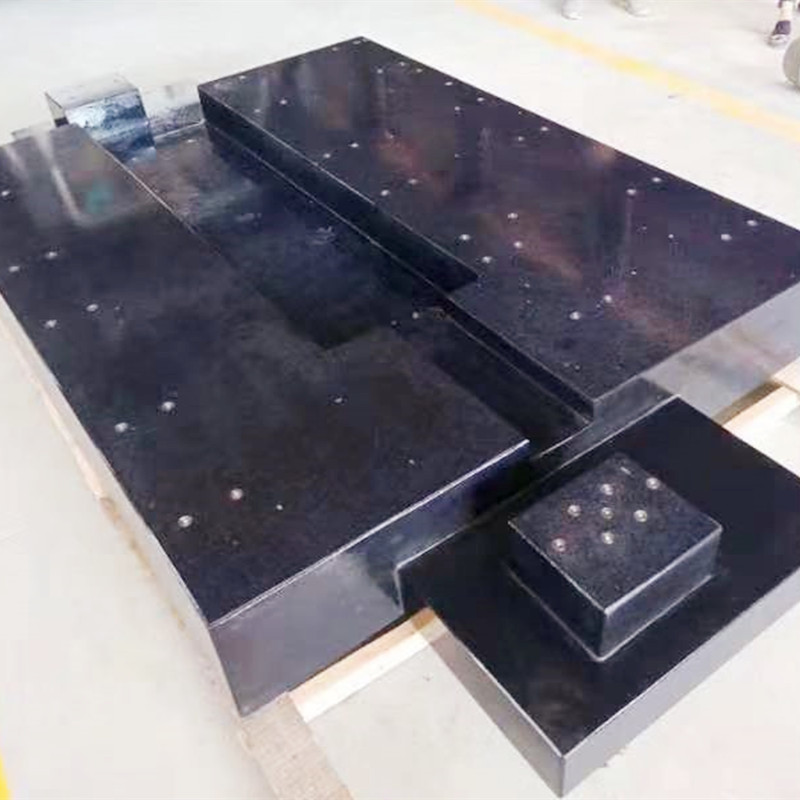
The Importance and Utility of Large Granite Surface Plates In the realm of precision manufacturing and engineering, the pursuit of accuracy is paramount. One of the tools that have become indispensable in achieving this level of precision is the large granite surface plate. As a flat, stable surface used for precision measurement and inspection, granite surface plates serve a variety of critical roles in manufacturing, quality control, and metrology. What is a Granite Surface Plate? A granite surface plate is a fundamental tool in various engineering and manufacturing environments. Constructed from high-quality granite, these plates are prized for their exceptional flatness, durability, and resistance to wear. The surface of a granite plate is meticulously honed to create a nearly perfectly flat area, which is essential for measuring and verifying the accuracy of components. Unlike metal plates, granite surface plates are less prone to rust and corrode, offering longevity and reliability. Applications of Large Granite Surface Plates Large granite surface plates are used in numerous applications across different industries 1. Precision Measurement Engineers and technicians employ granite surface plates to check the accuracy of machined parts. By placing components on the flat surface, measurements can be taken more easily, ensuring that parts meet specified tolerances. 2. Setup and Alignment In manufacturing processes, large granite plates provide a stable base for setting up machines. They can be used for aligning tools and fixtures, which is crucial for repetitive precision work. This alignment helps in reducing errors and increasing efficiency in production. 3. Quality Control Quality assurance teams rely on granite surface plates to conduct inspections on finished products . Ensuring that items are manufactured according to design specifications is vital to maintaining safety and performance standards. large granite surface plate 4. Tool Calibration Calibration of measurement tools is essential in precision industries. Large granite surface plates serve as a standard reference point for calibrating instruments such as dial indicators and micrometers, allowing for accurate readings. Advantages of Using Granite Surface Plates The use of large granite surface plates comes with several advantages. First and foremost is their dimensional stability. Granite’s thermal stability allows it to maintain its flatness under varying temperatures, something that metal plates cannot guarantee. Moreover, granite is dense and non-porous, minimizing the risk of chipping or cracking under typical working conditions. Another significant advantage is the inherent hardness of granite. This hardness means that granite surface plates can withstand impacts and abrasions far better than softer materials. Consequently, they require less maintenance and can be used for prolonged periods without significant wear. The inert nature of granite also means it is less likely to react with the environment, an important quality for maintaining a good measurement standard. This characteristic makes granite a preferred material in laboratories and facilities where precision is critical. Maintenance and Care While granite surface plates are sturdy, proper care is essential to ensure their longevity and accuracy. Regular cleaning with a mild detergent and soft cloth is advised to remove dust and debris. It is also crucial to avoid placing extremely heavy objects on the surface that could cause deformation over time. Proper storage and handling practices, such as using a designated area for the plates, further help maintain their integrity. Conclusion In summary, large granite surface plates are vital tools in the quest for precision in manufacturing and engineering. Their unmatched flatness, durability, and resistance to environmental factors make them the ideal choice for various applications, from measurement and calibration to quality control. Investing in high-quality granite surface plates can lead to improved productivity, reduced errors, and ultimately, higher-quality products. As industries continue to demand ever-greater accuracy, the utility of granite surface plates is sure to remain significant for years to come.
-

High quality industrial productsagement

High quality industrial products
View Details -

Meet the diverse needs of customers

Meet the diverse needs of customers
View Details -

Strict quality control

Strict quality control
View Details -

Top raw materials

Top raw materials
View Details -

Trusted supplier

Trusted supplier
View Details
Our application


news and information

Válvula de retenção SS
Válvula de Retenção SS Importância e Aplicações No mundo da engenharia e da mecânica, o uso de válvu

Various Types of Water Valves and Their Applications in Plumbing and Industrial Systems
Types of Water Valves An Overview Water valves are crucial components in plumbing and irrigation sys
Vanne de retenue à boule de 1% pour une performance optimale du système hydraulique
1 ball check valve .
 English